Got stress? Bringing your cat to work can help -If you’ve ever felt tense, anxious or simply unable to relax while performing your job, you’re far from alone.
Got stress? Bringing your cat to work can help
A recent survey by the American Institute of Stress found 80 percent of U.S. workers across industries have felt stress in the workplace; nearly half say they could use help dealing with it and 42 percent said their co-workers could use some relief.
Black at by computer. Bring your Cat to Work.| Photo by Ruca Souza on Pexels.com
To the delight of animal lovers everywhere, awareness of the physical, mental and emotional toll taken by stress is leading progressive employers to create take-your-pet-to-work programs. For example, for the past 20 years Purina has encouraged its associates to bring their pets to work, and in a typical week hundreds of dogs and cats enjoy spending time with their owners at the pet food maker’s St. Louis campus.
“Pets bring a wealth of benefits – both physical and emotional – to pet owners and their families, so it’s no surprise those same benefits also apply to the workplace and employees,” notes Dr. Kurt Venator, Purina’s chief veterinary officer. “Whether a pet helps provide a calming sense during a challenging situation or encourages employees to take a walk during their lunch break, here at Purina we experience the benefits of pets at work every day, and want others to as well.”
As more and more companies adopt a pets-at-work policy, consider these facts based on a recent Purina report about the many advantages of such programs:
They can benefit health: Pet-employee interaction has been shown to reduce the employees’ blood pressure and cholesterol levels in addition to alleviating anxiety.
They can improve employee retention: Sixty-three percent of employees in pet-friendly workplaces say they’re very satisfied with their work environments – nearly twice as many as those in other workplaces. In fact, respondents rank the option of bringing pets at work as the second most-valuable employee perk – more valuable than free coffee and parking. Overall, three in five survey participants wish their workplace would institute a pet-friendly policy.
They can alleviate loneliness: Eight in 10 employees who can bring pets to work say that activity makes them feel more happy, relaxed and sociable. That’s partly because talking about pets can be an ice breaker, making it easier for people to approach co-workers and get to know them better.
They can promote physical activity: Many employees spend breaks and lunchtime playing with their pets or taking them for walks, boosting their own aerobic activity at the same time.
They can increase pets’ happiness: Rather than staying home waiting for their owners to arrive, pets get to socialize with new people, play with other pets and enjoy more activity. Nearly nine of 10 people in the survey agree that bringing their pets to work strengthens owner-pet bonding.
In light of the proven benefits, Purina encourages other employers to consider allowing pets in the workplace. A toolkit with tips and information is provided at Purina.com.
“Our goal with our report is to continue to raise awareness of the benefits of taking pets to work and to arm employees and employers with insights that can help facilitate pet-friendly environments within their companies,” notes Dr. Venator.
Do make sure to check with your owners and bosses before taking your dog, cat or pet to work.
Calico Cat Day – My name is Lilly Bug and I made a holiday called Calico Cat Day and Tortoiseshell Cat Day. #CalicoCatDay #CalicoCats #TortoiseshellCatDay
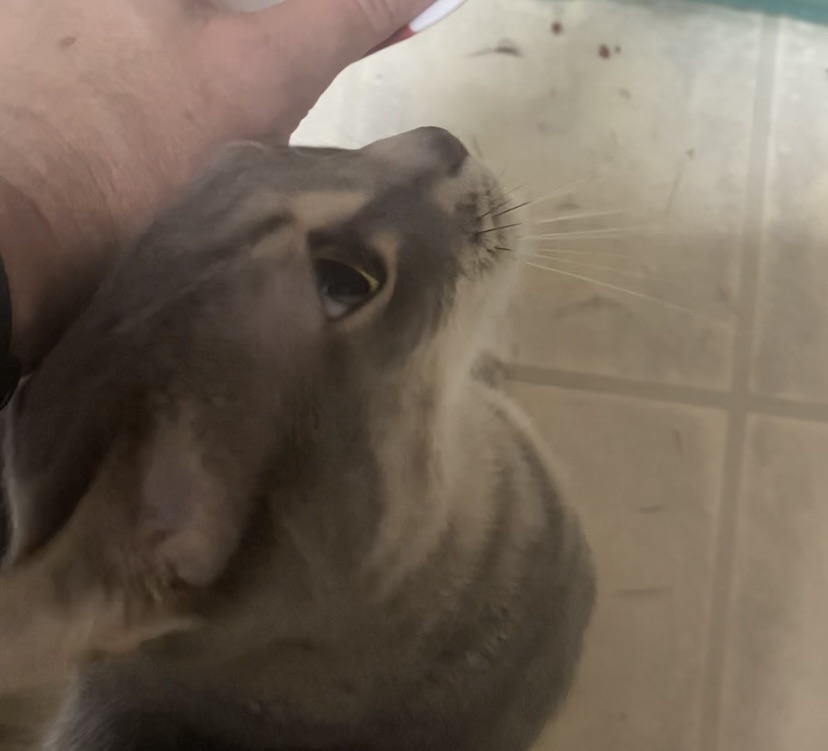
Why Do Cats Rub Their Heads on You? Ever wondered why your feline friend seems so affectionate and rubs their head against you? It’s a common behavior that might seem cute and endearing, but there’s actually a deeper meaning behind it.
Joel,
Excellent points, and good job getting the hoomans to help you post. Personally, I have always believed my hoomans would have benefited from taking me into stressful places – work, hospitals, doctor’s appointments… And I’d get more pets, and compliments. It’s all win! Imagine it! A room full of warm “key boards” to lay on and enjoy….
Used to monitor number of Google Analytics server requests when using Google Tag Manager
1 minute
_gid
ID used to identify users for 24 hours after last activity
24 hours
_ga_
ID used to identify users
2 years
_gali
Used by Google Analytics to determine which links on a page are being clicked
30 seconds
_gac_
Contains information related to marketing campaigns of the user. These are shared with Google AdWords / Google Ads when the Google Ads and Google Analytics accounts are linked together.
90 days
__utmx
Used to determine whether a user is included in an A / B or Multivariate test.
18 months
__utmv
Contains custom information set by the web developer via the _setCustomVar method in Google Analytics. This cookie is updated every time new data is sent to the Google Analytics server.
2 years after last activity
__utmz
Contains information about the traffic source or campaign that directed user to the website. The cookie is set when the GA.js javascript is loaded and updated when data is sent to the Google Anaytics server
6 months after last activity
__utmc
Used only with old Urchin versions of Google Analytics and not with GA.js. Was used to distinguish between new sessions and visits at the end of a session.
End of session (browser)
__utmb
Used to distinguish new sessions and visits. This cookie is set when the GA.js javascript library is loaded and there is no existing __utmb cookie. The cookie is updated every time data is sent to the Google Analytics server.
30 minutes after last activity
__utmt
Used to monitor number of Google Analytics server requests
10 minutes
__utma
ID used to identify users and sessions
2 years after last activity
Jetpack's built-in visitor analytics. It records page views, referring sites, search terms, and outbound link clicks, and also carries the shared visitor-tracking library used by Jetpack Instant Search and WooCommerce Analytics.



If only I could
Joel,
Excellent points, and good job getting the hoomans to help you post. Personally, I have always believed my hoomans would have benefited from taking me into stressful places – work, hospitals, doctor’s appointments… And I’d get more pets, and compliments. It’s all win! Imagine it! A room full of warm “key boards” to lay on and enjoy….
Head Bonks
Miss Lelu