Do cats and dogs really fight like cats and dogs? – Cats and dogs have long been depicted as ardent foes, consistently getting into scrapes with one another. But are those claims exaggerated? #Cats #Dogs
Do cats and dogs really fight like cats and dogs?
Many cats and dogs peacefully coexist in their homes, where their divergent personalities combine to make homes more interesting. Cats and dogs tend to have different body language, but that should not be mistaken for opposition.
Cats and dogs can peacefully coexist in homes, especially when pet owners exercise patience and emphasize socialization. | Photo Compliments of MetroCreative
Take, for example, a boisterous puppy who excitedly approaches visitors with its tail wagging to show friendliness. According to the animal experts at SlimDoggy.com, a resource for dog food, fitness and fun, cats interpret wagging tails as signs of anger or displeasure. Dogs like to sniff their “friends” and get to know them, and cats don’t favor this attention. When sniffed, cats may run off, unintentionally triggering dogs’ natural predator instincts.
Such an instance is a rough way for cats and dogs to begin a relationship, and it’s easy to see how such an introduction can lay a poor foundation for their relationship.
Cats and dogs also have different social styles. While a cat may be content to be alone and approach visitors cautiously, dogs tend to be sociable and rush into situations if they think there is fun to be had.
But cats and dogs can peacefully coexist. One way to foster a good relationship between cats and dogs is to control their initial introduction. If possible, separate the animals initially, giving cats a chance to warm up to their new situation. Upon introducing the two, it may be best to have the dog on a leash so that you can control its desire to lunge. Calmness is key; do not force the cat to come to the dog or vice versa. Reward calm behavior with treats. Repeat these steps until the pets appear to be used to each other.
It’s important that pet owners recognize that, while cats and dogs may peacefully coexist in a home most of the time, their natural instincts may kick in every so often. Just separate the pets if they have a tiff.
Rumors abound that cats and dogs can’t share a home, but that’s simply not true. With some early socialization, patience on the part of pet owners and an understanding of cat and dog behaviors, pet parents can ensure both cats and dogs live together in harmony.
Calico Cat Day – My name is Lilly Bug and I made a holiday called Calico Cat Day and Tortoiseshell Cat Day. #CalicoCatDay #CalicoCats #TortoiseshellCatDay
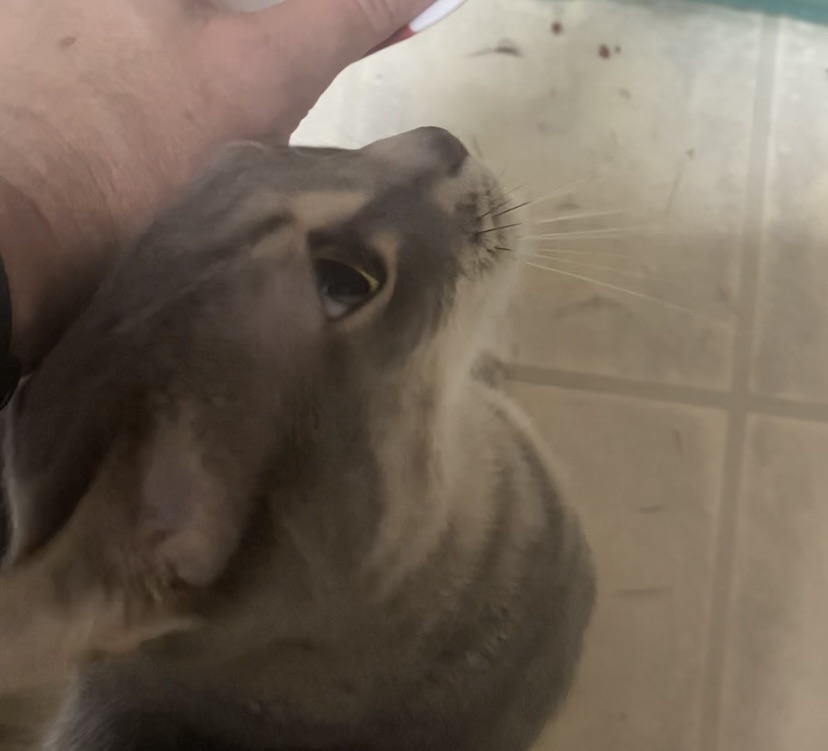
Why Do Cats Rub Their Heads on You? Ever wondered why your feline friend seems so affectionate and rubs their head against you? It’s a common behavior that might seem cute and endearing, but there’s actually a deeper meaning behind it.
Used to monitor number of Google Analytics server requests when using Google Tag Manager
1 minute
_gid
ID used to identify users for 24 hours after last activity
24 hours
_ga_
ID used to identify users
2 years
_gali
Used by Google Analytics to determine which links on a page are being clicked
30 seconds
_gac_
Contains information related to marketing campaigns of the user. These are shared with Google AdWords / Google Ads when the Google Ads and Google Analytics accounts are linked together.
90 days
__utmx
Used to determine whether a user is included in an A / B or Multivariate test.
18 months
__utmv
Contains custom information set by the web developer via the _setCustomVar method in Google Analytics. This cookie is updated every time new data is sent to the Google Analytics server.
2 years after last activity
__utmz
Contains information about the traffic source or campaign that directed user to the website. The cookie is set when the GA.js javascript is loaded and updated when data is sent to the Google Anaytics server
6 months after last activity
__utmc
Used only with old Urchin versions of Google Analytics and not with GA.js. Was used to distinguish between new sessions and visits at the end of a session.
End of session (browser)
__utmb
Used to distinguish new sessions and visits. This cookie is set when the GA.js javascript library is loaded and there is no existing __utmb cookie. The cookie is updated every time data is sent to the Google Analytics server.
30 minutes after last activity
__utmt
Used to monitor number of Google Analytics server requests
10 minutes
__utma
ID used to identify users and sessions
2 years after last activity
Jetpack's built-in visitor analytics. It records page views, referring sites, search terms, and outbound link clicks, and also carries the shared visitor-tracking library used by Jetpack Instant Search and WooCommerce Analytics.




OH really? Why is that? Please feel free to share.
Do you think they both have fun doing that? I am sure they will have each others back eh? We four legged animals must stick together.