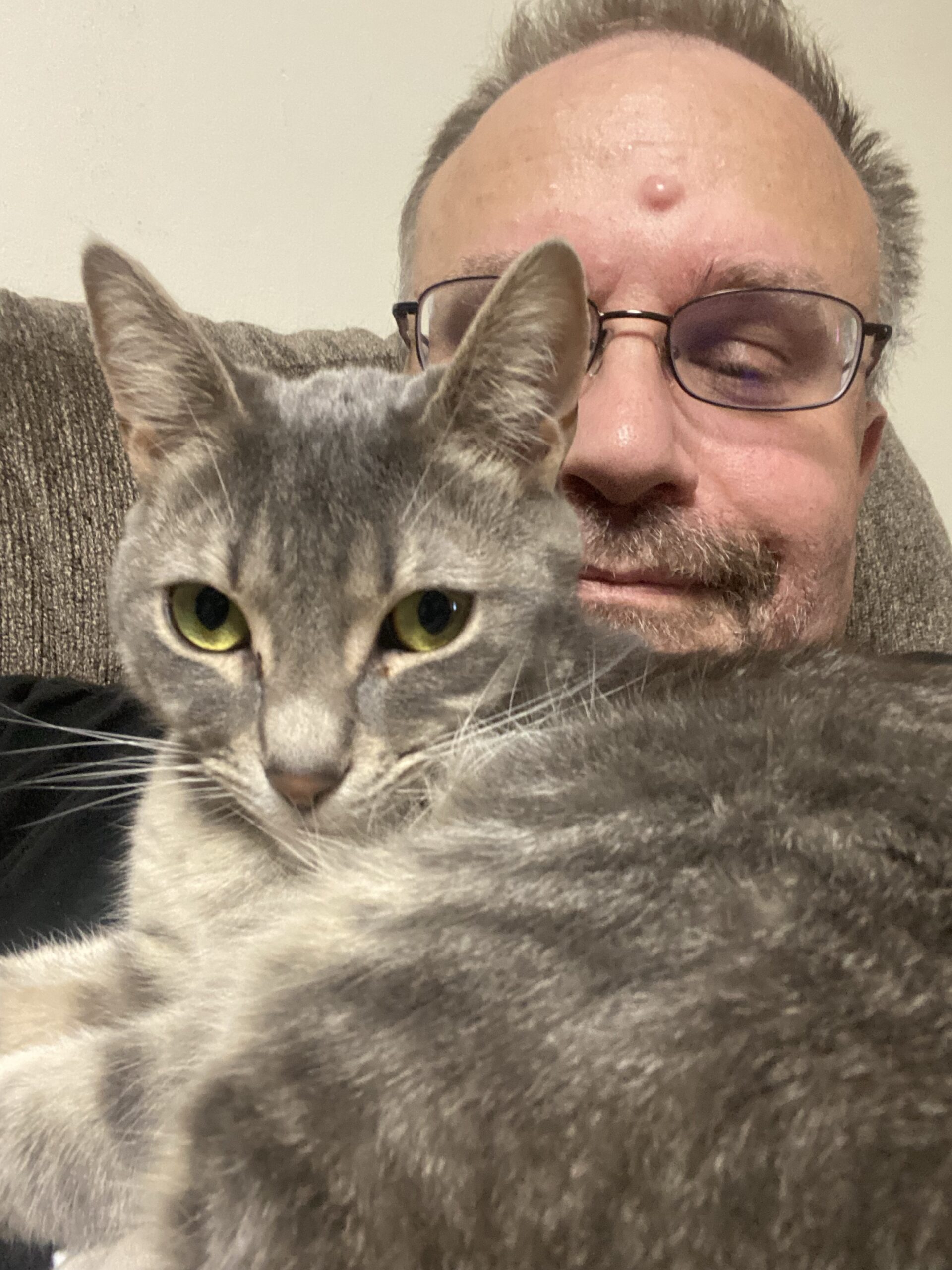
Want healthier kids? Get a pet …. Um Cat! If youngsters have been eyeing fuzzy kittens or boisterous puppies at nearby shelters or pet stores, parents may want to give in to those cries for a family pet. Pets are added responsibilities, but the health benefits associated with pet ownership may be well worth the investment of time and effort. Pets can contribute to cognitive, physical and emotional wellness in children.
Want healthier kids? Get a pet …. Um Cat!
If youngsters have been eyeing fuzzy kittens or boisterous puppies at nearby shelters or pet stores, parents may want to give in to those cries for a family pet. Pets are added responsibilities, but the health benefits associated with pet ownership may be well worth the investment of time and effort.
Caring for a pet is sometimes viewed as a childhood rite of passage, but there’s much more to the experience than just learning responsibility. Experts say a child’s emotional, cognitive, physical, and social development can be enhanced through interaction with a family pet. Studies continue, but the effects of family pets on children was heavily researched by developmental psychologist Gail F. Melson in 2003. Melson looked at literature on child-animal relationships and found that children who had pets were better able to understand biology and children who could turn to pets for unconditional emotional support were less anxious and withdrawn than their peers without family pets to turn to.
Data from a small study conducted by researchers at the Cummings School of Veterinary Medicine at Tufts University reported that adolescents who had animal experience were more likely to see themselves as important contributors to communities and more likely to take on leadership roles.
Pets also can help children develop into well-rounded individuals.
Playing with a pet requires children to engage in physical activity and can help stimulate motor skills. An English study conducted in 2010 and published in the American Journal of Public Health found that children from dog-owning families spent more time in light or moderate to vigorous physical activity and recorded higher levels of activity counts per minute than kids whose families did not own a dog.
Pets may help with allergies and respiratory ailments as well.
A 2012 study by the American Academy of Pediatrics discovered that children who have early contact with cats and dogs have fewer respiratory infections and ear infections and need shorter courses of antibiotics than children who have not had contact with pets.
A study from Dennis Ownby, MD, a pediatrician and head of the allergy and immunology department of the Medical College of Georgia, found that having multiple pets decreases a child’s risk of developing certain allergies. He found that the children who were exposed to two or more dogs or cats as babies were less than half as likely to develop common allergies as kids who had no pets in the home.
Pets also may foster social interactions, which can benefit children who are shy.
Inviting others over to meet pets can help children make friends and find others with similar interests. Children may also confide in pets and develop their self-esteem.
Studies have indicated that the type of pet a family has, whether it’s horses, dogs, snakes, etc., does not matter, as all companion animals have the potential to benefit children.
Signs Your Kitten Imprinted on You — Imprinting in cats is a deep-rooted bond formed during their early social development. While not as rigid as in some species, kittens can form strong attachments to their primary caregivers. Learn more on this blog post. Signs your kitten imprinted on you I’m MissPrints and I was just a new kitten when Steve found me and rescued me. I was so young and imprinted on him. Here are…
Why your cat loves being in your chest — When your cat likes to be on your chest, it’s usually a sign of trust, affection, and comfort. Learn more in this blog post.
Want healthier kids? Get a pet …. Um Cat! If youngsters have been eyeing fuzzy kittens or boisterous puppies at nearby shelters or pet stores, parents may want to give in to those cries for a family pet. Pets are added responsibilities, but the health benefits associated with pet ownership may be well worth the investment of time and effort. Pets can contribute to cognitive, physical and emotional wellness in children.
0 thoughts on “Want healthier kids? Get a pet …. Um Cat!”
Joel,
Thank you for confirming what my hooman has thought for years. (She’s not totally a
“crazy cat lady” – whatever that is.) We fur families offer so much to their young, and help them learn what “no” means, and how to be gentle. Excellent post!
Used to monitor number of Google Analytics server requests when using Google Tag Manager
1 minute
_gid
ID used to identify users for 24 hours after last activity
24 hours
_ga_
ID used to identify users
2 years
_gali
Used by Google Analytics to determine which links on a page are being clicked
30 seconds
_gac_
Contains information related to marketing campaigns of the user. These are shared with Google AdWords / Google Ads when the Google Ads and Google Analytics accounts are linked together.
90 days
__utmx
Used to determine whether a user is included in an A / B or Multivariate test.
18 months
__utmv
Contains custom information set by the web developer via the _setCustomVar method in Google Analytics. This cookie is updated every time new data is sent to the Google Analytics server.
2 years after last activity
__utmz
Contains information about the traffic source or campaign that directed user to the website. The cookie is set when the GA.js javascript is loaded and updated when data is sent to the Google Anaytics server
6 months after last activity
__utmc
Used only with old Urchin versions of Google Analytics and not with GA.js. Was used to distinguish between new sessions and visits at the end of a session.
End of session (browser)
__utmb
Used to distinguish new sessions and visits. This cookie is set when the GA.js javascript library is loaded and there is no existing __utmb cookie. The cookie is updated every time data is sent to the Google Analytics server.
30 minutes after last activity
__utmt
Used to monitor number of Google Analytics server requests
10 minutes
__utma
ID used to identify users and sessions
2 years after last activity
Jetpack's built-in visitor analytics. It records page views, referring sites, search terms, and outbound link clicks, and also carries the shared visitor-tracking library used by Jetpack Instant Search and WooCommerce Analytics.



Joel,
Thank you for confirming what my hooman has thought for years. (She’s not totally a
“crazy cat lady” – whatever that is.) We fur families offer so much to their young, and help them learn what “no” means, and how to be gentle. Excellent post!
Lelu
You are most welcome. Meow!