How to banish pet odors from a home – When company is on the way or people are thinking about selling their homes, pet odors must be addressed. Even though it will take effort, homeowners can freshen their homes and eliminate unpleasant pet-related smells.
How to banish pet odors from a home
Dogs, cats, birds, and lizards have evolved from wild animals and outdoor companions to become beloved, largely domesticated members of the family. The number of pets in homes across the country continues to grow. According to Statista, as of March 2017, 94.2 million cats and 89.7 million dogs were estimated to live in the United States as pets. Canada’s Pet Wellness report estimates that there are approximately 7.9 million cats and 5.9 million dogs in Canada.
Over time, pet owners grow accustomed to their pets’ antics, messes and even their odors. Dealing with smells is par for the course for pet owners, and many become desensitized to certain common smells. But when company is on the way or people are thinking about selling their homes, pet odors must be addressed. Even though it will take effort, homeowners can freshen their homes and eliminate unpleasant pet-related smells.
Find ways to ventilate
Odors can build up inside closed environments and prove overpowering. Opening windows when applicable, using exhaust fans and encouraging cross-breezes can air certain odors from the home.
Clean frequently
Cats and dogs can leave behind fur, dander, food messes, and more. Eliminating the debris that pets create can reduce odors. Sweeping, vacuuming and mopping floors can help as well. Don’t forget to vacuum draperies and furniture, and consider purchasing cleaning appliances specifically designed for homes with pets.
Keep on top of accidents and litter boxes
Puppies and even adult dogs may have their share of accidents. Cats may avoid litter boxes if they are not cleaned frequently and then soil around the house. Be sure to clean up pet waste messes promptly. Baking soda and vinegar solutions are all-natural ways to clean up and can help remove urine odors more readily. Also, look for safe deodorizing cleaning products that can be used on carpeting, flooring and upholstery.
Purchase an air purifier
Air purifiers can help remove odors and allergens from the air. They’re relatively inexpensive and can be placed in rooms that pets frequent.
Wash pet blankets and beds
Launder pet beds, cloth toys, blankets, and any other items that pets lounge on. Sweat, saliva and dander can cause these fabrics to become stinky, and, in turn, make the house smell worse.
Keep pets clean
Most pets are very good at self-grooming, but can benefit from a spa treatment once in awhile. Dogs that spend ample time outdoors or frequently get wet and dirty may need routine baths. Ask a professional groomer what he or she recommends to address potent pet odors.
Neutralizing pet odors takes effort, but it can make for a more pleasant-smelling home environment.
Calico Cat Day – My name is Lilly Bug and I made a holiday called Calico Cat Day and Tortoiseshell Cat Day. #CalicoCatDay #CalicoCats #TortoiseshellCatDay
Why Do Cats Rub Their Heads on You? Ever wondered why your feline friend seems so affectionate and rubs their head against you? It’s a common behavior that might seem cute and endearing, but there’s actually a deeper meaning behind it.
0 thoughts on “How to banish pet odors from a home”
Miss Cleo is reminding me to tell you that (in a pinch) citrus scented candles work magic (If your guests show up before you’ve had a chance to scoop). She also sends some head butts….
Used to monitor number of Google Analytics server requests when using Google Tag Manager
1 minute
_gid
ID used to identify users for 24 hours after last activity
24 hours
_ga_
ID used to identify users
2 years
_gali
Used by Google Analytics to determine which links on a page are being clicked
30 seconds
_gac_
Contains information related to marketing campaigns of the user. These are shared with Google AdWords / Google Ads when the Google Ads and Google Analytics accounts are linked together.
90 days
__utmx
Used to determine whether a user is included in an A / B or Multivariate test.
18 months
__utmv
Contains custom information set by the web developer via the _setCustomVar method in Google Analytics. This cookie is updated every time new data is sent to the Google Analytics server.
2 years after last activity
__utmz
Contains information about the traffic source or campaign that directed user to the website. The cookie is set when the GA.js javascript is loaded and updated when data is sent to the Google Anaytics server
6 months after last activity
__utmc
Used only with old Urchin versions of Google Analytics and not with GA.js. Was used to distinguish between new sessions and visits at the end of a session.
End of session (browser)
__utmb
Used to distinguish new sessions and visits. This cookie is set when the GA.js javascript library is loaded and there is no existing __utmb cookie. The cookie is updated every time data is sent to the Google Analytics server.
30 minutes after last activity
__utmt
Used to monitor number of Google Analytics server requests
10 minutes
__utma
ID used to identify users and sessions
2 years after last activity
Jetpack's built-in visitor analytics. It records page views, referring sites, search terms, and outbound link clicks, and also carries the shared visitor-tracking library used by Jetpack Instant Search and WooCommerce Analytics.




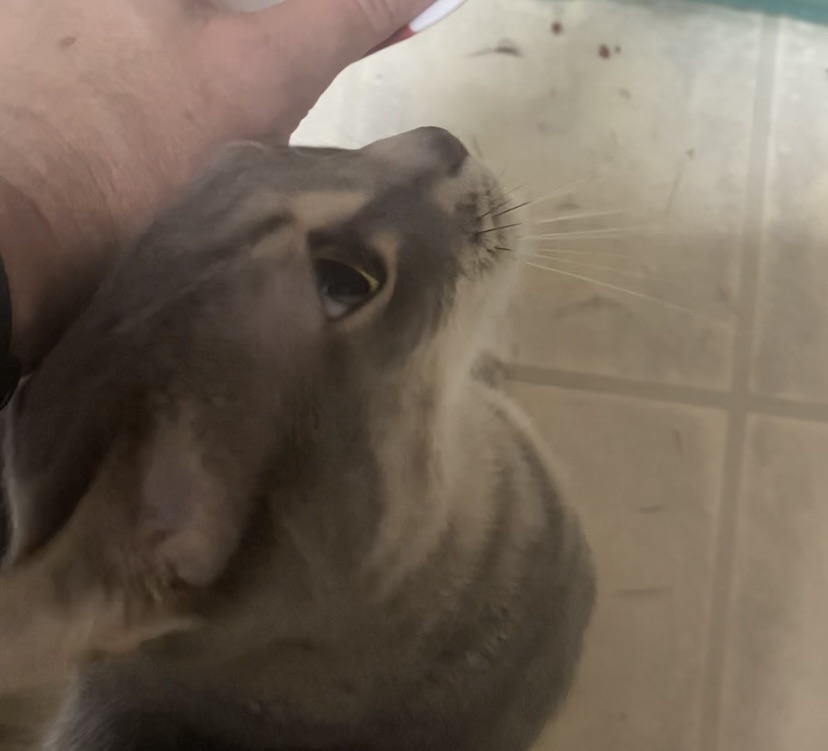
Miss Cleo is reminding me to tell you that (in a pinch) citrus scented candles work magic (If your guests show up before you’ve had a chance to scoop). She also sends some head butts….
Oh wow! Thanks for the heads up on that! Thanks for the comment and reading 2 Cats and a Blog.