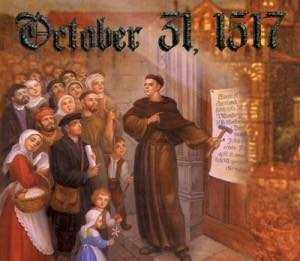
The Cannons of Dort, also known as the Canons of Dort or the Five Articles Against the Remonstrants, are a series of statements that were developed by the Synod of Dort, a council of Reformed theologians and church leaders in the Netherlands, in response to the church theological challenges posed by the Remonstrants, a group of Dutch Arminians. The Canons of Dort were adopted in 1619 and have since become a key statement of Reformed theology. #cannonofdort
The Cannons of Dort

The theological controversy that led to the development of the Canons of Dort centered on the issue of predestination. The Remonstrants, led by Jacobus Arminius, believed in a form of free will that allowed individuals to choose whether or not to accept salvation.
They argued that God’s election of individuals for salvation was based on his foreknowledge of their faith and obedience, rather than being predetermined. The Reformed theologians, on the other hand, believed in the doctrine of unconditional election, which held that God chooses some individuals for salvation based solely on his sovereign will, apart from any foreseen faith or obedience on their part.
The Synod of Dort was convened in 1618 to address these theological differences and to provide a definitive statement of Reformed doctrine. After several months of deliberation, the Synod produced the Canons of Dort, which consist of five main points of TULIP.
The Canons of Dort became a key statement of Reformed theology and have been widely influential in the development of Protestant theology. They were adopted by the Dutch Reformed Church and later by other Reformed and Presbyterian denominations around the world.
However, the Canons of Dort have also been controversial, particularly among those who reject the doctrine of unconditional election. Critics argue that the Canons of Dort present a harsh and deterministic view of God’s sovereignty, which can lead to a sense of spiritual hopelessness and discouragement among those who do not believe themselves to be among the elect.
Despite these criticisms, the Canons of Dort continue to be an important statement of Reformed theology and a reminder of the importance of doctrinal clarity and precision in the life of the church. They are a testament to the ongoing theological conversation and debate that has characterized the Christian faith throughout its history.
Discover more from Ducking for Jesus
Subscribe to get the latest posts sent to your email.